
There’s a quiet pattern you start to notice after spending enough time online.
Trends rise fast. They burn bright. Then they disappear without warning.
And yet—some people keep earning. Not occasionally. Not by luck. But consistently, almost predictably, as if they’ve tapped into something deeper than algorithms or timing.
They have.
They’ve built around needs that don’t fade. Problems that don’t solve themselves. Questions people will keep asking long after today’s hype cycles are forgotten.
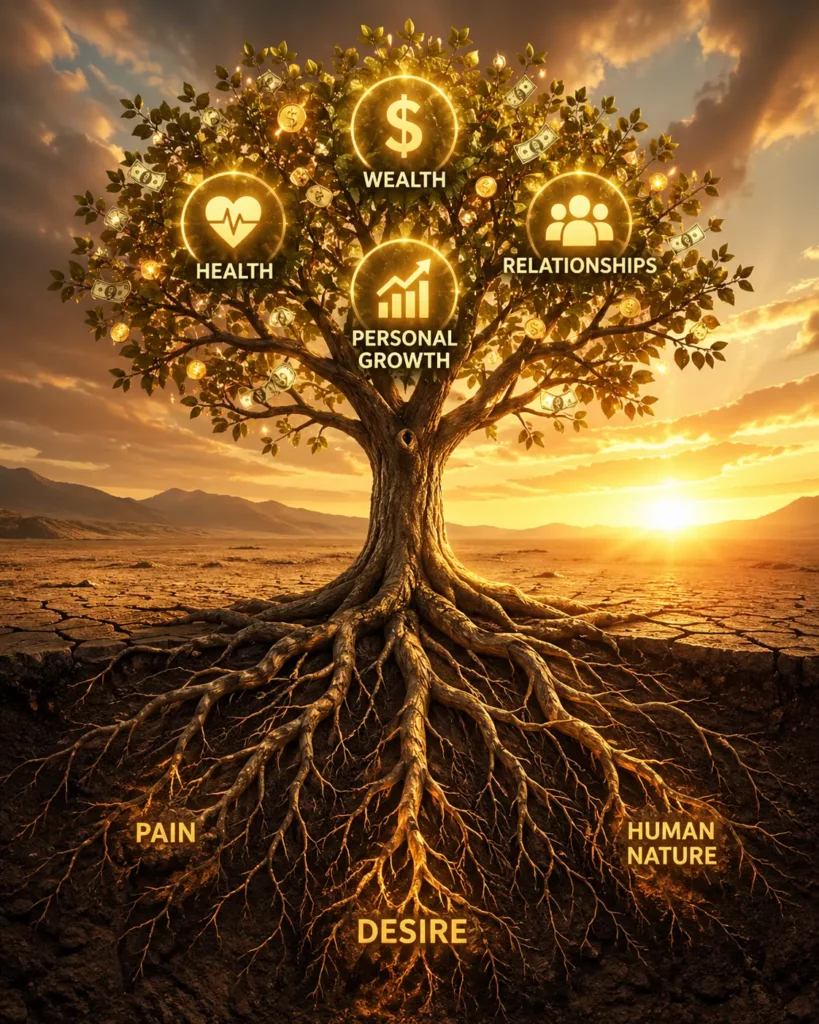
That’s what an evergreen niche really is. Not a category. Not a keyword.
A permanent human tension.
What Makes a Niche Truly Evergreen? (And Why Most People Misread It)
At first glance, “evergreen” sounds simple. Pick something popular. Make content. Wait.
But popularity is noisy. Evergreen is quiet.
The Real Definition (The One That Actually Matters)
An evergreen niche is built on problems that don’t expire—the kind people return to again and again, searching for better answers, faster solutions, or simply hope that this time, something will finally work.
You’ll recognize them instantly once you know what to look for.
The Three Signals You’re in the Right Place
1. The Problem Never Really Goes Away
Money stress doesn’t vanish. Health struggles evolve but persist. Relationships shift, but confusion stays. Identity—who we are, who we want to be—keeps people searching late at night.
These are not trends. They are constants.
2. The Questions Keep Repeating
Different words. Same intent.
“How do I fix…”
“How do I improve…”
“Why does this keep happening…”
Search engines see patterns. Evergreen niches are built on patterns that don’t break.
3. The Emotion Runs Deeper Than Curiosity
Some searches are casual. Others carry weight.
The ones that convert—the ones that last—are tied to:
- Frustration that’s been building for months
- Fear of things getting worse
- Desire for something better, something more
When emotion is strong, demand doesn’t disappear. It deepens.
The Evergreen Profitability Formula (Where Demand Turns Into Revenue)
There’s a moment when a niche stops being interesting… and starts becoming viable.
It happens when three forces line up.
Evergreen Profitability = Demand × Emotional Intensity × Monetization Clarity
Not one. Not two. All three.
Demand: Are People Actually Looking?
This is the surface layer, but it matters.
You want:
- Consistent searches, not spikes
- Questions that show up in different forms
- Topics that don’t rely on current events
If people keep asking, there’s something underneath worth paying attention to.
Emotional Intensity: Do They Care Enough to Act?
This is where most niches fail.
Information alone doesn’t convert. Emotion does.
Ask yourself:
- Is this problem annoying—or urgent?
- Does it affect how someone sees themselves?
- Would solving it change their daily life?
The stronger the emotional pull, the faster decisions happen.
Monetization Clarity: Can Money Flow Through It?
You don’t need a complex business model. You need visibility.
Can you immediately see:
- Products people would buy?
- Tools they already use?
- Solutions they’re actively comparing?
If the path from problem to purchase is obvious, you’re in the right territory.
How to Find Evergreen Niches (Without Guessing)
Most people scroll, brainstorm, and hope something clicks.
That works… occasionally.
But there’s a better way. A repeatable way.
Step 1: Follow the Problems That Refuse to Disappear
Start with language, not ideas.
Search phrases like:
- “how to stop…”
- “how to fix…”
- “how to deal with…”
These aren’t casual searches. They’re signals of friction—something unresolved.
And unresolved problems create recurring demand.
Step 2: Let the Topic Expand Naturally
Once you find a core problem, don’t stop there.
Let it branch.
A single niche unfolds into layers:
- Causes
- Solutions
- Comparisons
- Tools
- Mistakes
Before long, what looked like one idea becomes an ecosystem.
And that’s exactly what search engines reward.
Step 3: Look Where Others Didn’t Go Far Enough
You don’t need to beat competitors. You need to out-complete them.
Pay attention to what’s missing:
- Questions left unanswered
- Sections that feel rushed
- Angles nobody explored
Opportunity rarely hides in plain sight. It hides in the gaps.
Step 4: Build for Every Stage of Intent
People don’t search once. They move.
First, they learn.
Then, they compare.
Eventually, they decide.
Your niche should support all three:
- Informational: understanding the problem
- Commercial: exploring solutions
- Transactional: taking action
When your content mirrors that journey, it stops being content—and becomes infrastructure.
How to Know If a Niche Will Last (Before You Commit)
Excitement fades quickly. Data doesn’t.
Look for Stability, Not Spikes
Trends surge, then collapse.
Evergreen niches move differently. They hold steady. Quietly consistent.
That’s what you want.
Watch the Search Results
If the same pages keep showing up month after month, year after year, it tells you something important:
This topic isn’t temporary. It’s anchored.
Follow the Money
You’ll see it if you look:
- Ads running continuously
- Products being promoted
- Tools being recommended
Where money keeps circulating, demand is alive.
Turning a Niche Into an Authority Ecosystem
One article won’t carry you far.
But a connected system? That’s where things change.
Build Around a Central Pillar
Start with a foundational piece—the one that answers the core question completely.
Then expand outward:
- Deep dives into specific problems
- Supporting guides
- Practical breakdowns
Each piece strengthens the others.
Use Internal Links Like Pathways
Not randomly. Intentionally.
Guide readers deeper:
- From general to specific
- From problem to solution
- From curiosity to action
At the same time, you’re signaling structure to search engines—showing how everything connects.
Write for Extraction, Not Just Reading
Search engines don’t just rank content anymore. They pull from it.
Make that easy:
- Clear definitions early
- Direct answers under questions
- Structured sections that stand alone
Clarity wins visibility.
A Real Example (How It Comes Together)
Take something simple: ongoing back pain.
It doesn’t disappear. People keep searching.
From there, it expands:
- Why it happens
- How to relieve it
- What tools help
- What mistakes make it worse
Each layer opens new entry points. New searches. New opportunities.
Add in products, programs, recommendations—and suddenly, it’s not just content.
It’s a system that keeps working long after it’s built.
The Questions People Quietly Ask Themselves
Not always out loud. But often enough to matter.
“Am I overthinking this? How do I actually find something that lasts?”
Look for repetition. Not in ideas—but in problems. If people have been struggling with it for years, it’s not going anywhere.
“How do I know if it will make money… or just attract traffic?”
Follow the intent. If people are searching for solutions, comparing options, or looking for the “best,” money is already in motion.
“Isn’t everything competitive by now?”
At the surface level, yes.
But beneath that? There are layers—specific angles, overlooked questions, underserved audiences. That’s where space still exists.
“How long before this actually works?”
Long enough that most people give up.
Short enough that consistency wins.
Evergreen niches don’t reward speed. They reward staying.
Products / Tools / Resources
If you’re serious about building something that lasts, the right tools don’t just help—they shorten the learning curve.
- Keyword Research Tools – Platforms like Ahrefs, SEMrush, or Ubersuggest help uncover long-tail queries, search intent patterns, and hidden demand pockets you wouldn’t spot manually.
- Google Search Features – “People Also Ask,” autocomplete, and related searches are free goldmines for understanding how real people phrase problems.
- Content Optimization Tools – Surfer SEO, Clearscope, or Frase can help align your content with semantic expectations and entity coverage.
- Trend Validation Tools – Google Trends is useful—not for chasing spikes, but for confirming stability over time.
- Community Platforms – Reddit, Quora, and niche forums reveal raw, unfiltered problems people haven’t polished for search engines yet.
- Internal Linking Tools – Tools like Link Whisper or manual content mapping spreadsheets help structure your site like a true authority hub.
- Monetization Networks – Affiliate platforms (Amazon Associates, ShareASale, Impact) and digital product platforms (Gumroad, Kajabi) turn attention into revenue streams.
The tools matter. But more than that, it’s how you use them—what you notice, what you connect, and what you choose to build around—that determines whether a niche fades… or keeps paying long after the noise disappears.